JeremyFife
Addicted to Fun and Learning
Might be all you needI'm limited by space a lot so I could only raise them up about 2 cm

Might be all you needI'm limited by space a lot so I could only raise them up about 2 cm
I've also found those but they won't fit due to the way the XLR port is positioned on the 8010s.
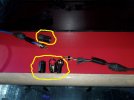
View attachment 323308
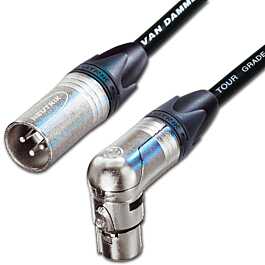
Will tryWhen a cable has Neutrik connectors like this: https://www.thomann.de/de/pro_snake_xlr_patch_winkelmale_90cm.htm
You can change the cable outlet position...
View attachment 323350

NC3MRX
3 pole right angle male cable connector, nickel housing, silver contactsThe RX Series is the right angle version of the XX cable connector series. The successor of the RC series offers several new features which make it more reliable, easier to assemble and improves contact integrity as well...www.neutrik.com
So I think you will be able to unscrew the plug, change the angle and screw it back together again (no soldering required!). You should check with Thomann that the cable I linked to does have that model Neutrik connector (i'm not sure if all the right angled Neutrik plugs have the adjustable outlet)
Will try
Thank you
 www.designacable.com

 custom-lynx.co.uk
 . If you look, it is a slow sweeping bend over an
I'll probably just leave it like it is and see if problems occurI don't see a problem with the way it is. XLR patch cables and connections are pretty quick, tight and easy to know, if there is a good connection.
Bending the cable as you have will have no ill effect for the first 300+ tweeks at that position
inch from the actual connections in the barrel. If there is an eco collar that sealed the cable to the terminal end, that is even better. It can't pull
on the screws or soldered ends.
XLRs were and are for pro use, (tongue in cheek). I think the cable will outlast the speaker to tell the truth. I just make sure the terminal end I use have
copper terminal ends and the cabling is copper.
Shy a few phono stages, I'm all XLR. I've pulled a few heavy cabinet (250 pounders) on dollies with just #20 or 18 patch cables.
Minor sound adjustments.
You're not one of those people that dance on your desk on Fridays are you? Just askin'
Maybe silicon the speakers to the desk, put a hole through the desk and plug in the patch. Put a cable grommet where you drilled the hole. Look
like it was made that way, unless it's an antique desk or something.
I'm trying to fix something that isn't broke. Let me rethink this.
Regards.

They make both types, same priceBut I'd need male right angled not female
my proposal.
Do you not own a standard NEUTRIK XLR (NC3MXX) cable?
If so, NC3MRX, which many people have posted, is convenient. You can change the straight type to the right angle type by replacing only the housing.
You can change the straight type and right angle type at any time with your bare hands by replacing the yellow circle in the picture. Previously, I replaced the standard XLR cable terminal (NC3MXX) with NC3MRX.
The insert and cable remain soldered. Chuck and bushing are still passed through the cable. No soldering iron or screwdriver required.
Save the replaced straight housing. Your environment may change in the future and you may want to change it back.
There is also the option of purchasing a straight type NEUTRIK XLR (NC3MXX) cable and NC3MRX terminal from the beginning.
Stores may have limited stock of right-angle XLR cables, but they probably stock straight XLR cables in a variety of types (belden? canare?), lengths, and colors.

Yeah, that entire strain-relief can be removed, cut, enlarged, modified, etc.
This works perfectly don't know why I haven't tried that yetYeah, that entire strain-relief can be removed, cut, enlarged, modified, etc.
View attachment 323456
Looks like your connectors use a press-on strain-relief (like the one left of the above picture). Some are thread-on. All can be easily modified. You could even shorten the connector body on the Cannon connector I showed, so long as you smooth over any remaining sharp edges.
Am I the only one who has thoughts of a "redneck" solution, like drilling a hole in your desk on each side? Cheap and even gets the cable off the desk. Not good if you like to move your speakers a lot
This works perfectly don't know why I haven't tried that yet