
I just read a review of the D900 and it also pointed out the problems with the PEQ,
"I did, however, try PEQ with my PC using the USB connection, and it worked perfectly fine with only a tiny caveat. Once you engage PEQ and load the PEQ config file, the sound loses some crispness, like the resolution and timing of the unit are no longer at 100% but more like at 99%. It’s a subtle effect, but you can still hear it with high-end speakers and headphones.."
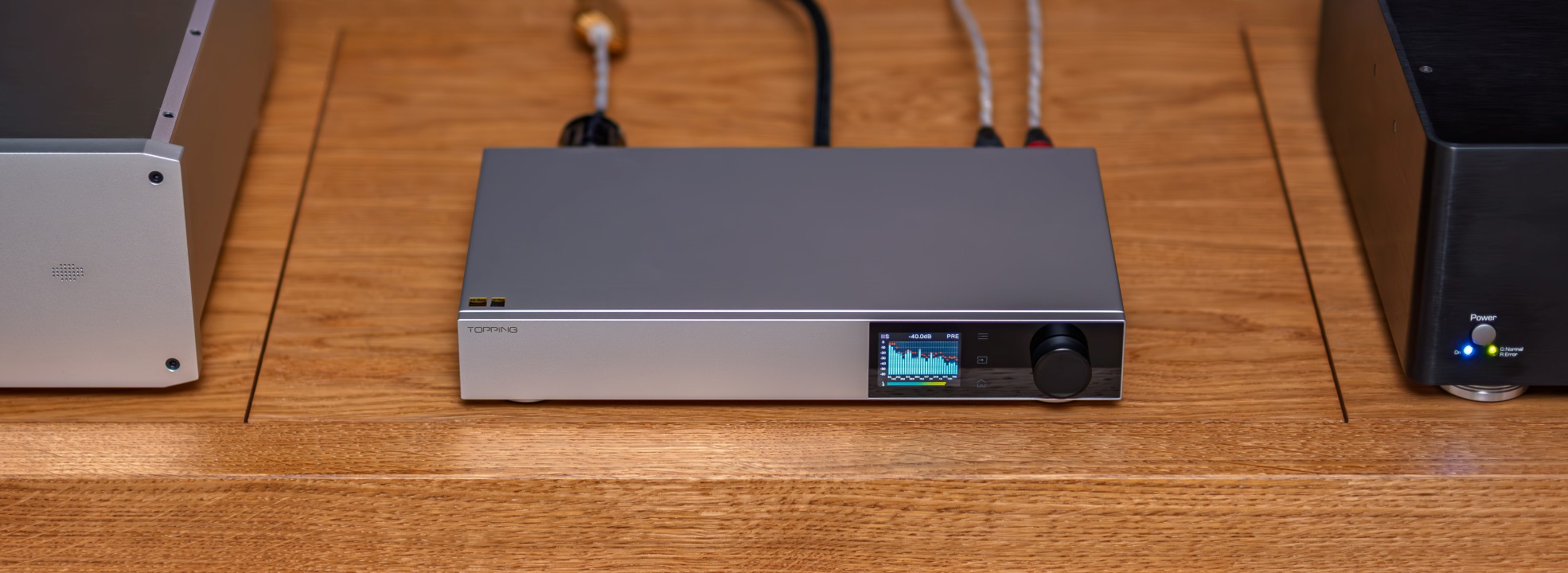
Topping D900 DAC Review - Engineering Masterclass or Audiophile Hype? - Soundnews
The summer vacation for the DACMan is over, and that means lots of DAC reviews will be coming soon-ish. And what would be a better way to kick things off than with the best DAC Topping Audio has ever made? Almost two years ago, Topping unleashed their mightiest DAC, the DX9, which carried 15 years …soundnews.net
He also has some interesting thing to say about the "Gustard R26" DAC.
I have some issues with the following sentence in the review
Well, imagine combining the speed of chip-based converters (with delta-sigma modulators) with the refinement, warmth, huge soundstage, and slower pace of R2R converters. And just like that *snaps fingers* you get the sound of single-bit DACs.
A single-bit DAC can only be delta-sigma. The differences can still be enormous—mathematically speaking—because there are many flavours of delta-sigma modulators, and delta-sigma can also be multi-bit. Some systems provide several delta-sigma modulated streams at the same time, which are shifted in time and added (like Mola Mola's Tambaqui DAC), they could also provide different streams at the same time (which may be what Topping does). But the reviewer is treating "chip-based converters (with delta-sigma modulators)" as a separate class from "single-bit DACs" and this is wrong. Had they written "discrete single-bit DACs", it would have made more sense.


