• Welcome to ASR. There are many reviews of audio hardware and expert members to help answer your questions. Click here to have your audio equipment measured for free!

Show us your Cars

Looking at your cool lake-side retreat, I am inclined to think that you have just about the best location for a solar system.:oops:
A portable DIY one; if you choose it to be... smack in the middle of that lake, on a float.;)
Maybe not that extreme: But perhaps like this:
IMG_2462.JPG

IMG_2464.JPG

IMG_2463.JPG
 
400bhp from a 6.3 litre engine, that's a pretty soft state of tune, around 75bhp/litre.

Times have changed, 100bhp, or more per, litre is not uncommon for an ordinary family car today. :)

It's funny to think that many of the high performance "supercars" from the 60s and 70s would likely be comfortably out-performed by a sporty saloon, or hatchback straight from the dealer, with no modifications.
You are aware that the sate of tune (even when using super premium parts) affects the longevity of the engines, I hope?
In the USA, likely because of distances involved in normal travel, longevity and ease of a family member being able to do a lot maintenance have been major factors.
And why we think that higher torque, lower RPM engines are the way: with 325,000 miles expected before a total rebuild or replacement for gas engines (500,000 for diesels).
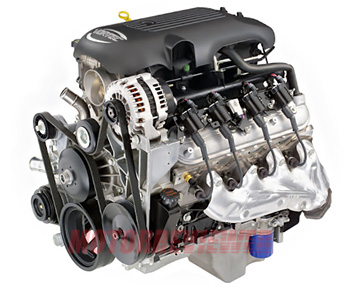
For example I present the strong points and expected failure points of the engine in my personal truck (a 2004 Chevy Silverado SS Vortec LQ9 HO V8 of modest power: 345 hp and 380 lb-ft., with 7900 Lb. towing capacity), which currently operates just fine after having a water pump and both the front and rear main seals replaced and an oil leak (gasket failure) at the block to oil cooler line junction replaced.
It consumes no oil between my 5000 mile oil changes (another reason for longevity, getting the debris and acids that form in the oil from both the combustion process and condensation (if it is on the outside of your car, it's on the inside of your engine, too, due to the engine being vented to the atmosphere) out of the engine by replacing the oil and filter (the oil does not go bad and can be recycled but the additives in the oil do go bad):
Home GM 6.0L Vortec LQ4/LQ9 Engine

GM 6.0L Vortec LQ4/LQ9 Engine Specs, Problems, Reliability, Info​

Photo of 6.0L Vortec LQ4/LQ9 Engine

6.0L Vortec Gen3 Small Block Info​

The GM 6.0L Vortec, or Vortec 6000, is a naturally-aspirated 6.0-liter gasoline V8 truck engine, a member of the third-generation LS-based small-block engine family. It was available in GM pickup trucks, SUVs, and vans between 1999 and 2007. There are two versions of this engine: LQ4 and LQ9. The LQ4 is a powerful V8 truck engine with an iron block and iron or aluminum heads (depending on the year). The LQ9, also known as the Vortec HO 6000 or VortecMAX, is an upgraded version of the LQ4 that has an additional 20 HP and 10 lb.-ft. of torque: 345 HP and 380 lb.-ft.
Let's take a look at what is inside these engines, how they are built, and learn about their specs, pros, and cons.

LQ4/LQ9 Vortec 6000 Engine Overview​

The Gen 3 Vortec 6000 was launched as the LQ4 in 1999, while the LQ9 was introduced in 2002. The LQ4 is built around a strong cast-iron cylinder block with 6-bolt main bearing caps. It features a cast-iron crankshaft, 6.098 inch-long powdered metal I-beam connecting rods, and dished-style cast aluminum pistons. The stroke is the same as the 5.3-liter Vortec, but the bore size is larger by 0.22 inches (5.6 mm), resulting in a 6.0-liter displacement.

On top, there are cathedral-port cylinder heads (iron in 1999-2000, aluminum #317 castings thereafter) with two valves per cylinder and die-cast roller rocker arms. Intake valve diameter - 2.000 inches (50.8 mm). Exhaust valve diameter - 1.550 inches (39.4 mm). The early 1999-2000 iron-head engines have original camshaft with following specs: 191/190 duration and 0.457 in./0.466 in. valve lift (intake/exhaust). Later models have different cam specs: 196/207 duration, 0.467 in./0.479 in. valve lift. The valvetrain features plastic lifter tray and hydraulic roller lifters.

The 6.0L Vortec is equipped with electronic port fuel injection system, which comes with stock Delphi Multec injectors with a flow rate of approximately 24.8 lb./hr. at 58 psi. The truck-style plastic intake manifold is fitted with a 3-bolt 80 mm throttle body (cable-operated on models from 1999 to 2002, and electronically "drive-by-wire" on later models). The ignition system is also modern and electronically controlled, with individual coils for each spark plug. Depending on the year and application, the LQ4 was rated 300 to 335 HP (224 to 250 kW) and 360 to 380 lb.-ft. (488 to 515 Nm). It was widely used on many popular GM models, like Chevrolet Silverado, GMC Sierra, Chevrolet Suburban, GMC Yukon /XL, and Hummer H2.

LQ4 and LQ9 Differences​

The LQ9 shares the same cast-iron block, crankshaft, rods, but flat-top pistons instead of dished pistons, resulting in higher 10.1:1 compression ratio (LQ4 has 9.4:1). This high-performance version uses aluminum cylinder heads with "cathedral" intake ports and D-shaped exhaust ports. While the heads have the same diameter valves, the camshaft is unique - 196/201 (int./exh) duration, and 0.467 in./0.479 in. (int./exh) valve lift. The HO LQ9 also has more productive fuel injectors with a flow rate of 25.2 lbs./hr.

All these upgrades gave an extra 20 HP and 10 lb.-ft., bringing output to 345 HP and 380 lb.-ft. The 6.0L Vortec HO was found in Cadillac Escalade SUVs and some high-output versions of GM trucks like Chevy Silverado SS or Classic VortecMAX.

Engine Specs​

Manufacturer
Romulus, Michigan, USA
Silao, Mexico (LQ4 only)
Production years
1999-2007
Cylinder block material
Cast Iron
Cylinder head material
Cast Iron(1999-2000 LQ4)
Aluminum
Fuel type
Gasoline
Fuel system
Port Fuel Injection
Configuration
V
Number of cylinders
8
Valves per cylinder
2
Valvetrain layout
OHV
Bore, mm
101.6 mm (4.00 in)
Stroke, mm
92.0 mm (3.62 in)
Displacement, cc
5,967 cc (364.1 cu in)
Type of internal combustion engine
Four-stroke, naturally aspirated
Compression Ratio
9.4:1 - LQ4
10.1:1 - LQ9 HO
Power, HP
300-345 HP (224-257 kW)/4,400-5,200
Torque, lb. ft.
355-380 lb.-ft. (481-515 Nm)/4,000
Engine weight
580 lbs. (263 kg) - LQ4 with cast iron heads
520 lbs. (236 kg) - LQ4 (aluminum heads)/LQ9
Firing order
1-8-7-2-6-5-4-3
Engine oil capacity, liter
5.7L (6.0 qt.) – with filter
Engine oil weight
SAE 5W-30
Oil recommendations and capacity may vary depending on the car model, year, and market. Please check the service manual specific to your vehicle!
Oil change interval, mile
7,000 (12,000 km) or 12 month
Cars with this engine
Chevrolet Silverado, Chevrolet Suburban, Chevrolet Express, Chevrolet W-Series, GMC Sierra /Denali, GMC Yukon /XL, GMC Savana, GMC W-Series, Hummer H2, Cadillac Escalade, Isuzu NPR

6.0L Vortec LQ4/LQ9 Engine Reliability​

The GM LQ4/LQ9 6.0L Vortec engines have a robust design with a long-lasting heavy cast-iron block, providing excellent reliability and longevity. Furthermore, they are quite simple and lack of complex electronic systems or equipment designed to reduce harmful emissions. This staff are often the source of serious problems in modern engines. Due to their great durability, these 6.0-liter small block V8s have become a popular choice for heavy-duty truck applications and aftermarket high-performance builds. Although some minor issues may arise from time to time, they do not significantly affect the overall lifespan of the engine. Let's look at some of them.

The Most Common Problems​

  • Knock Sensor Malfunction: The knock sensors on these engines are located underneath the intake manifold. If the intake gasket leaks, water can enter the knock sensor well and cause it to fail. In addition, LQ4/LQ9 knock sensors by themselves do not last very long.
  • Broken Exhaust Manifold Bolts: The bolts holding the exhaust manifolds break off easily. Usually, this happens to the driver's side exhaust manifold. The problem lies in the difficulty of accessing and removing it without damaging the cylinder head.
  • Water Pump Leak: These engines are mainly used as workhorses and are often involved in towing heavy loads and going through extreme heat cycles, which puts a great stress on the cooling system and significantly reduces the lifespan of its components, including the water pump. The major sign of a faulty water pump is a coolant leak from the front of the engine.
  • Fuel Pressure Regulator Failure: A faulty fuel pressure regulator (FPR) is a common problem with 6.0L Vortec engines. A bad regulator fails to control fuel pressure correctly, resulting in wrong air-to-fuel ratio. This can cause misfires, rough idling, stalling, a fuel smell, and black smoke.

GM 6.0L Vortec Longevity​

This 6.0-liter Small Block V8 engine is built to last. With proper maintenance, the LQ4/LQ9 stock engine can offer remarkable durability and longevity, frequently reaching beyond the 300,000-mile mark. Key to its lifespan is regular maintenance, including timely oil changes, filter replacements, and cooling system checks.

It amuses me that someone trade for more power, higher vehicle overall expense, due to less longevity and frequently being in (or just staying in) vehicle financial debt, than to have long term ease of maintenance, longevity of the vehicle and being out of vehicle debt for 2/3 of the ownership experience.

For a high strung, truly sporty 2cnd car, I would also make that trade. But for day to day transportation: Nope, not me.

 
I am amazed he doesn't need glasses at 100.

Either: very cool or a tad worrying.
YMMV.
 
I am amazed he doesn't need glasses at 100.

Either: very cool or a tad worrying.
YMMV.
The warranty is up on that dude. Bet he doesn't have a license :)
 
Route 66, from Chicago, IL to Santa Monica, CA in the USA, turns 100 years old this month.


An AP News article on the road from April 2026.

One of the most an iconic motorcycle riding tours in the world!
The Harley-Davidson dealer I used to work for was in Berwyn Il, a Chicago suburb sitting right at the very beginning of RT66. There we rented bikes in the thousands every season to riders from all over the world. A large portion of them would fly into Chicago's airports, then be transported to our dealer by the bus-load to pick up the motorcycles in groups of 2 or 3 to 25 or more at a time. From there they would ride the whole route ending in LA from where they would then fly home. Largely then we would have to truck the bikes back to our dealership. A funny thing as all sort of financial incentives were offered to folks willing to do the reverse ride from west to east but few would take advantage. That just wasn't the story and legend of the US migration to the western states.
ANWiy9RA4yfYHDcw7eUcIdD6KrS_g8NbwYPzmh3li7_TmzEc7by0dzuYElHYFyc2Oh_AA860X95hKMyPIHoZw7ZJZzFYir_8HTz5zhKZjimXM81BZUBUt64j2exmIM3e3ubfS_Jc-OrFW7wlMyf_=s1360-w1360-h1020
 
Last edited:

GM 6.0L Vortec Longevity​

This 6.0-liter Small Block V8 engine is built to last. With proper maintenance, the LQ4/LQ9 stock engine can offer remarkable durability and longevity, frequently reaching beyond the 300,000-mile mark. Key to its lifespan is regular maintenance, including timely oil changes, filter replacements, and cooling system checks.
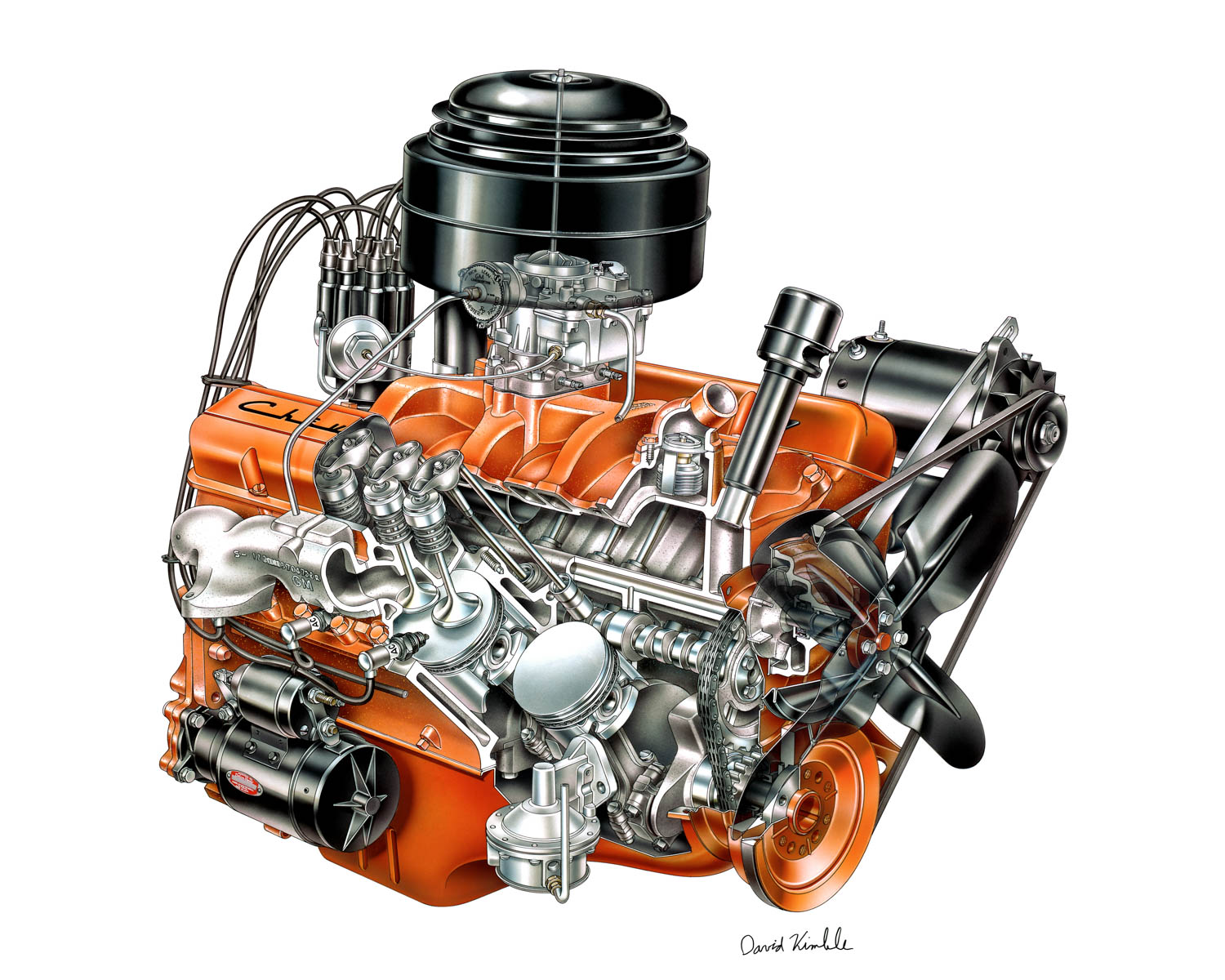
Since the introduction in 1955 of the Chevy 265cid small block, it's proven itself to be one of the best designed, most reliable engines of the automotive world. With the continued improvements in metallurgy, mass production machining capabilities, electronic engine management, etc there are few that can equal their records. The 2019 ZR1 Corvette featured a hand-built 6.2L supercharged LT5 V8 producing 755 hp at 6,400 rpm and 715 lb-ft of torque and could deliver speeds up to 215mph. :p
little-engine_k1955-v8-smblk-chevy-uhi20200323164816
 

Nice black Mercedes! Now you need to employ some men to run along your car in black suits:

1794621989914.png


Does it have a sunroof so that you can stand and wave at people?

1794622039655.png


When I was a kid, I was influenced by the villains in James Bond movies. I wanted a volcano island with an underground submarine bunker, henchwomen in silver jumpsuits, and a pet lizard with a diamond necklace. Sadly I grew up to be a middle class nobody who lives in a home no different to anyone else's. That black Mercedes is at least affordable, but I may not be able to employ a dozen men to run along with it.
 
Fishy top picture: Guards' right foot forward and right arm forward is not natural cadence for running. But who cares, they are probably born and bred NK humanoids!
 
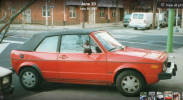
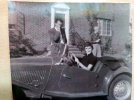
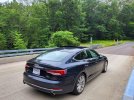
I haven't been here in a while. I have a few new pics of old cars. This is just a a general overview. Seven cars right now.
 

Attachments

  • 1000004895.jpg
    1000004895.jpg
    991.4 KB · Views: 19
  • 1000005428.jpg
    1000005428.jpg
    580.6 KB · Views: 15
  • 1000005776.jpg
    1000005776.jpg
    426.9 KB · Views: 17
  • 4c4e1110-832f-42ec-8582-d693bf3b7347.jpeg
    4c4e1110-832f-42ec-8582-d693bf3b7347.jpeg
    948.4 KB · Views: 19
  • a985a619-ccaf-4cfe-a611-62192376f509.jpeg
    a985a619-ccaf-4cfe-a611-62192376f509.jpeg
    655.6 KB · Views: 19
  • Screenshot 2026-07-02 004323.png
    Screenshot 2026-07-02 004323.png
    1.5 MB · Views: 16
  • 20260325_131521 (1).jpg
    20260325_131521 (1).jpg
    809.8 KB · Views: 18
  • 821523566_4744076135837760_2547293817381214109_n.jpg
    821523566_4744076135837760_2547293817381214109_n.jpg
    437.9 KB · Views: 17
  • uyhh.jpg
    uyhh.jpg
    559.5 KB · Views: 19
  • 202506rr27_143710.jpg
    202506rr27_143710.jpg
    799 KB · Views: 18
A MuscleCars&Trucks magazine article states that the GM GenIII V8 crate engines have been left out of the GM Parts Catalog.:(
The LS2, LS6, LS7, LS9, and LSA were “put to rest as recently as 2019”, while the LS1 was dropped some time before that. :eek:
R.I.P.
 
Florida.

majority appears to espouse right wing reactionary politics, but the utility company is interested in making money, and professes to care about the environment.
And hurricanes do what to solar arrays, windmills and power storage areas (consider not just wind, flying debris but also flood damage)?
From the hurricanes seasons of 1851 to 2018:
Florida: 120 hurricanes (37 were Category 3 through Category 5).
I would say that the parts of the power system that rely on power from OTHER THAN solar, wind and batteries are much more reliable and resilient (in the area of Florida).
And that different areas should not have the same mix of how they get their power as any other area.
Each area is a different case, with different factors invoved.
Within 25 miles of me is a road named Fault Line RD.
I am not a scientist nor a civil engineer. But I'm pretty sure that building ANY KIND (wind, solar, coal, nuclear, whatever) of power plant near there is NOT a good idea.
So, being against certain types of how the power is made in my experience with the people that I interact with (which is international in scope) has nothing to do with politics and is mostly based on reliability for where they live.
I am sure that some of it IS political (on both of the main 2 sides in the US, as both of them) have vehement radicals spouting BS.
But those are actually just the noisy ones. Most people tend to make more sense (when the agitators on both sides are not considered).
Having made 9 trips to Europe, 14 trips through the Panama canal to all kinds of places, spent 17 years living on islands in the Indian Ocean and Tropical Western Pacific,
I'm just inclined to try to follow the funding & who is making what off of whom and why.
 
Last edited:
I don't think it's too unusual for diesel cars to hit 200,000 miles or more without major issues. However, we don't generally drive as many miles in Europe, places are typically closer together. To some extent, by the time the engine is worn out, the rest of the car is generally way past it's best, shocks, bushings, switch gear, worn interiors, etc. and it becomes uneconomical to fix.
500,000 to 750,000 is our expectation for non-commercial diesels.
Shocks, bushings, switch gear are maintenance items. Beyond that, there are recycling yards that have low use interiors, etc.
Now, some people just want a newer vehcle.
My 2004 Chevy Silverado 1500 (with 215K miles) appears to be almost new from 7 meters (23 FT.) but as one gets closer, one notices minor blemishes. But the cloth seats are firm & not torn, the dash is not cracked, it is due for a new headliner. There is no rust, not even surface rust underneath, on the frame.
Every American gas (Chevy, Ford, Pontiac, Rambler/American Motors Corporation vehicle I have owned has gone well over 300K miles with normal maintenance [using the factory provided heavy duty use schedule]). Some of them, I sold before they reached that (175K, 225) because I wanted something different. But I knew the owners and know that, they, too, made it past 300K.
Now, to be fair, I have had Mercedes go that far (and my mother's E350 is a 2004 with 145K miles but garage kept). I replaced all the suspension bushings, shocks and valve cover gaskets this year. I had a 1980 Mercedes 300D in Saipan that I was in great shape when I sold it in Saipan in 2007 (I had replaced every vacuum line in the car).
Honda's that I have had, I have always sold somewhere between 225K & 275K and not because they had failed but because there were maintenance costs for them that were rising and parts were becoming more difficult to find, as well as more expensive.
And same for a diesel that did not make 500K (such as an older diesel VW Passat that I had that did not make 200K due to a hairline crack happening in the #1 cylinder liner (symptom: ran great before warmed up, lost that cylinders power input when it warmed up and the crack expanded). An extraordinarily difficult to find the issue and highly expensive to repair or replace that engine, so, off to the scrapyard it went.
Before that time, none of my VW Beetle engines went more than 130K but they were easy and inexpensive to rebuild or repair (at the time)
With some very rare exceptions, if I had a gas car/truck that was worn out by 200K, I'd never buy from that manufacturer again. And I would be sure that other people know my feelings about it.
 
Back
Top Bottom