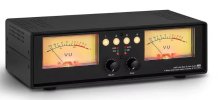
I know this is an old thread, but I'm bumping because I wanted to share my displeasure with the marketing copy that Fosi Audio uses about the LC30, specifically:
Effortlessly Switch Between Two Sets of Amplifiers/Speakers
It streamlines the process of A/B comparison testing for two amplifiers or speakers
and
390Ω Load Resistors
Designed to prevent amplifier no-load conditions, guaranteeing stable operation and extending lifespan.
and:
Supported Amplifier Types: BTL, Class A, Class B, Class AB, Class D and tube amplifiers, etc.
But as
https://www.audiosciencereview.com/...-amp-switcher-meter.57415/page-5#post-2110513 described here by LMac, and I confirmed it with my own digital multimeter, there is
no load protection at all for the un-selected amplifier connected to the LC30.
I use the LC30 as an amplifier switcher so I can connect my home theater receiver and my separate hifi tube amplifier to the same speakers. Makes it a lot easier to manage, no cable swapping. The concern I had about amplifier switchers was the risk of running an open load on my tube amp. I bought the LC30 in part because to the promise that it is "designed to prevent amplifier no-load conditions" to quote their own product description.
But it falls short of that promise.
The only protection is if there is no speaker for the
selected amplifier (A or B). The other connected amp is left with an open load.
So, if you are going to use this product and connect one or two tube amps to it,
never use it to run A|B tests where you have
both amplifiers powered on and switch back and forth. And, every time you turn on your tube amp, make certain the LC30 is switched to the amp you are going to turn on. Do NOT be lulled into a false sense of security that the LC30 is going to protect you from human error. IT WILL NOT.
Thankfully I haven't learned this lesson the hard way. I only discovered this flaw because I had a nagging worry about the LC30's "390Ω Load Resistors" boast and wanted to verify on my own. After I discovered the gap, I did some internet searching about that, and found this thread.
Fosi Audio should explain this common scenario more clearly and openly in their product description and literature.