Is It Supported by Established Science?
No. The claims made for the Holostage clash directly with basic principles of physics, acoustics, and electrodynamics.
1. Inefficient Piezoelectric Energy Capture
While piezoelectric materials do convert mechanical stress into electrical voltage, sound waves traveling through open air carry extremely small amounts of mechanical power (typically microwatts or milliwatts per square meter). A passive 3-inch box sitting in a room receives far too little acoustic energy to generate a meaningful electric field or ionize surrounding air molecules without a high-voltage power supply.
2. Air Ionization Requirements
Air is a natural insulator. To strip electrons from gas molecules and generate ions in ambient air (corona discharge), an electric field strength of approximately
3 x 10^6 { V/m} (30,000 volts per centimeter) is required. Micro-vibrations from ambient room audio cannot produce voltages anywhere near this threshold.
3. Acoustic Wave Physics
Sound in air travels as a mechanical longitudinal wave—a series of compressions and rarefactions of gas molecules (N2, O2, etc.). Sound velocity and propagation in a room depend almost entirely on:
- Air temperature
- Humidity
- Static atmospheric pressure
- Room geometry and surface absorption/diffusion characteristics
Trace quantities of static ions in ambient air do not alter the bulk density, compressibility, or viscosity of air in any way that changes sound wave speed or wave propagation. Furthermore, ions cannot "shield" sound waves from reflecting off physical boundaries like walls or ceilings.
4. Misapplication of Scientific Literature
Marketing literature for these devices sometimes cites legitimate research—such as studies on how dissolved electrolyte ions affect the speed of sound
in liquid water. However, fluid dynamics of ionic solutions in liquids do not apply to acoustic wave propagation in gaseous air.
Conclusion
While user reports on audio forums describe subjective improvements (often attributable to the psychological expectation/placebo effect or small shifts in acoustic reflection depending on where physical objects are placed in a room), the
underlying mechanism—piezoelectrically generated air ionization altering sound wave behavior—is not supported by empirical science or acoustic engineering.

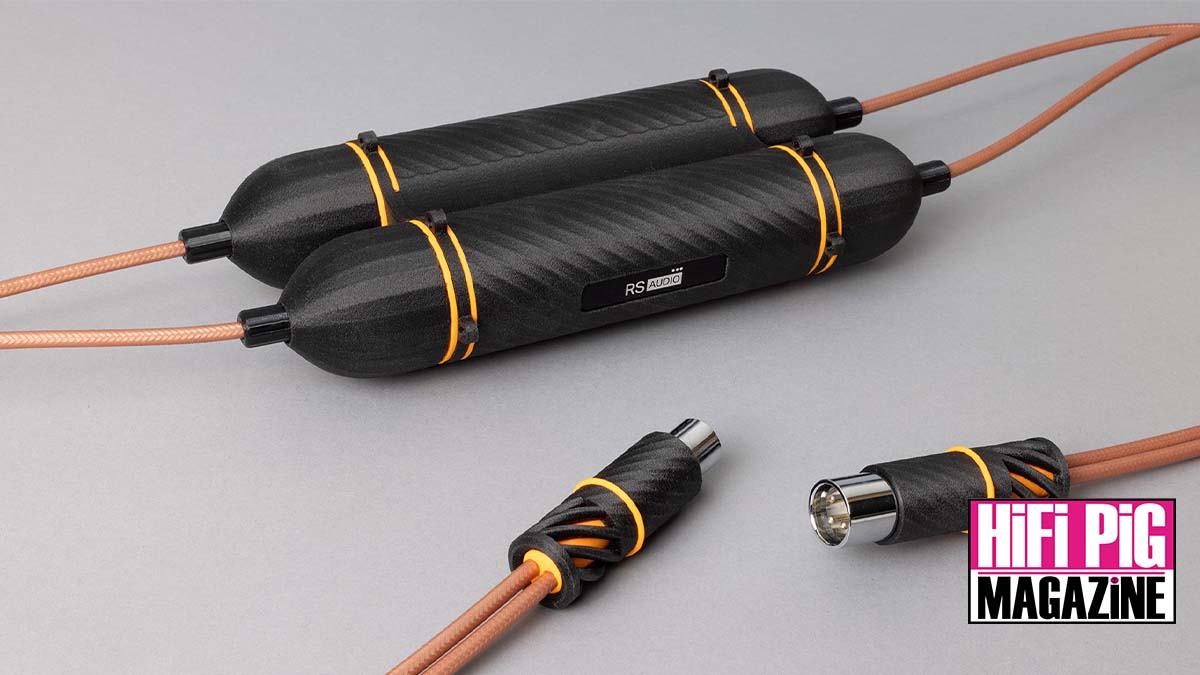
www.hifipig.com
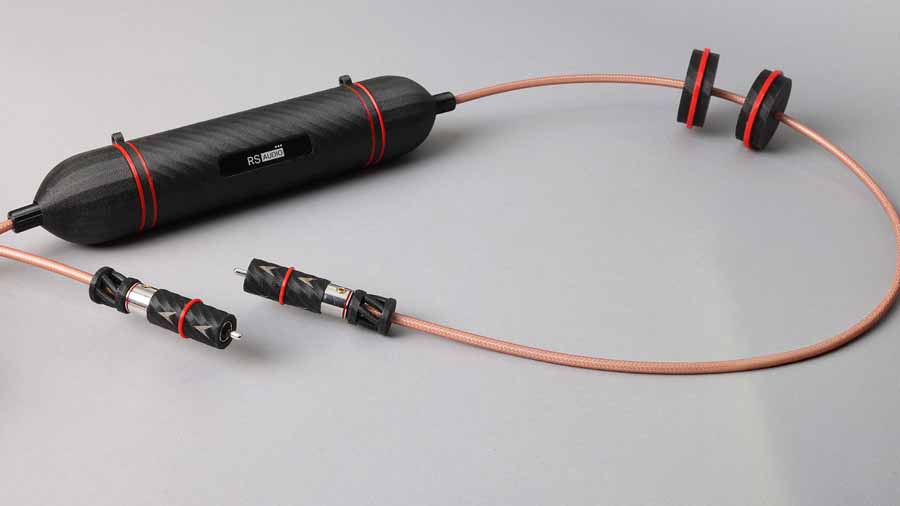
 hellbent on building cables that actually does sound different
 “let’s break one off the simplest components in any system”.


