

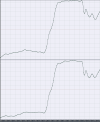
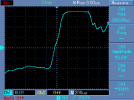
For most recordings it is impossible to define a correct polarity but for some it is, those are made with a single, or single stereo set, of microphones. Some of those recordings are released with actually correct polarity, other are inverted (there are list online where one can check which label / which recording inverts). Instruments with highly asymmetric waveforms like trombones and trumpets tend to have slightly different timbre when inverted. It will need a very experienced listener/musician with decades of exposure and training who can tell if a trombone is inverted right away. Same goes for the sound of drums etc.2. Polarity reversal. I have never investigated this. I imagine people here who say it could be audible say so in the context of one DAC having reverse polarity vs another in ABX, not by itself. Correct me if you are saying polarity reversal by itself is an audible impairment in which case, I like to see some evidence.
Regardless of the above, IME and IMHO for any given recording there are typically two aspects of a polarity switch that people can perceive (with linear phase loudspeakers, much preferred over headphones), one is about "bass/midrange authority" and the other is "soundstage precision". If you are lucky, one polarity setting has more authority of the low fundamentals and a more pin-point soundstage at the same time, more often you get one but not the other. On top of that, some people may prefer a more diffuse soundstage which may sound "more 3D".
Bottom line: except for rare corner cases a wrong acoustic polarity will result in relevant impairment of the reproduction.



 And remember, we don't monetize clicks or any kind of traffic here.



 !


